Punishing the Jobless
Upwards of 70,000 jobless North Carolinians are about to see their finances go from bad to worse as they lose their unemployment benefits. Those are the benefits that can help […]
By Steve Ford, Former Volunteer Program Associate
by Steve Ford, Former Volunteer Program Associate
Upwards of 70,000 jobless North Carolinians are about to see their finances go from bad to worse as they lose their unemployment benefits. Those are the benefits that can help […]

By Sandy Irving, Volunteer Program Associate
by Sandy Irving, Volunteer Program Associate
By Steve Ford, Former Volunteer Program Associate
by Steve Ford, Former Volunteer Program Associate
By Steve Ford, Former Volunteer Program Associate
by Steve Ford, Former Volunteer Program Associate
By chris
by chris

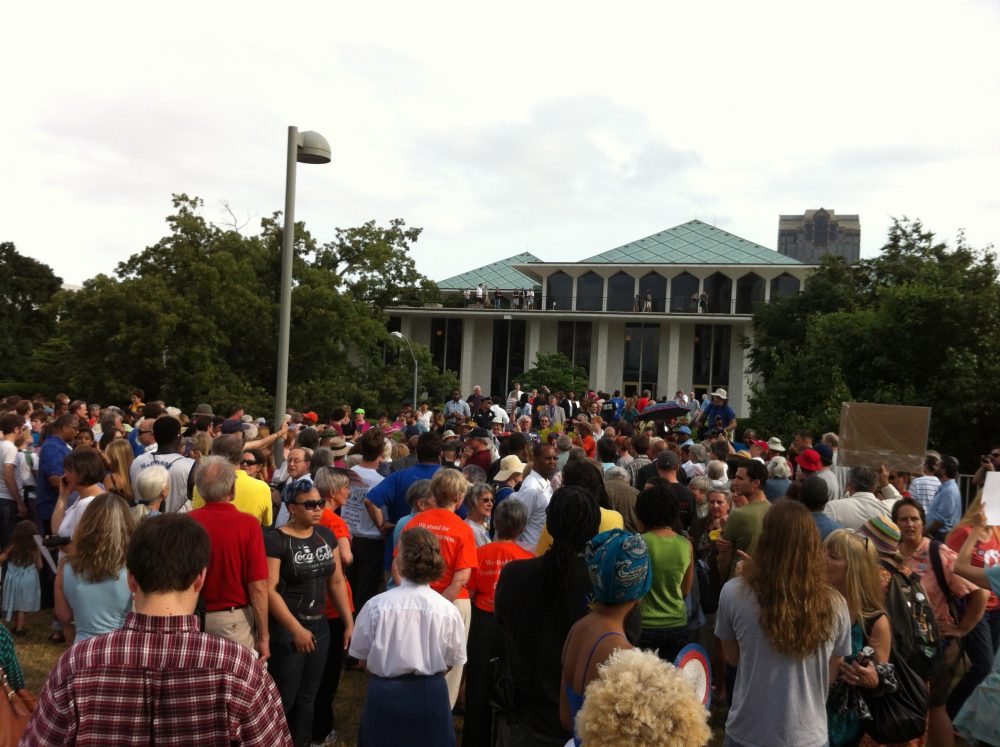
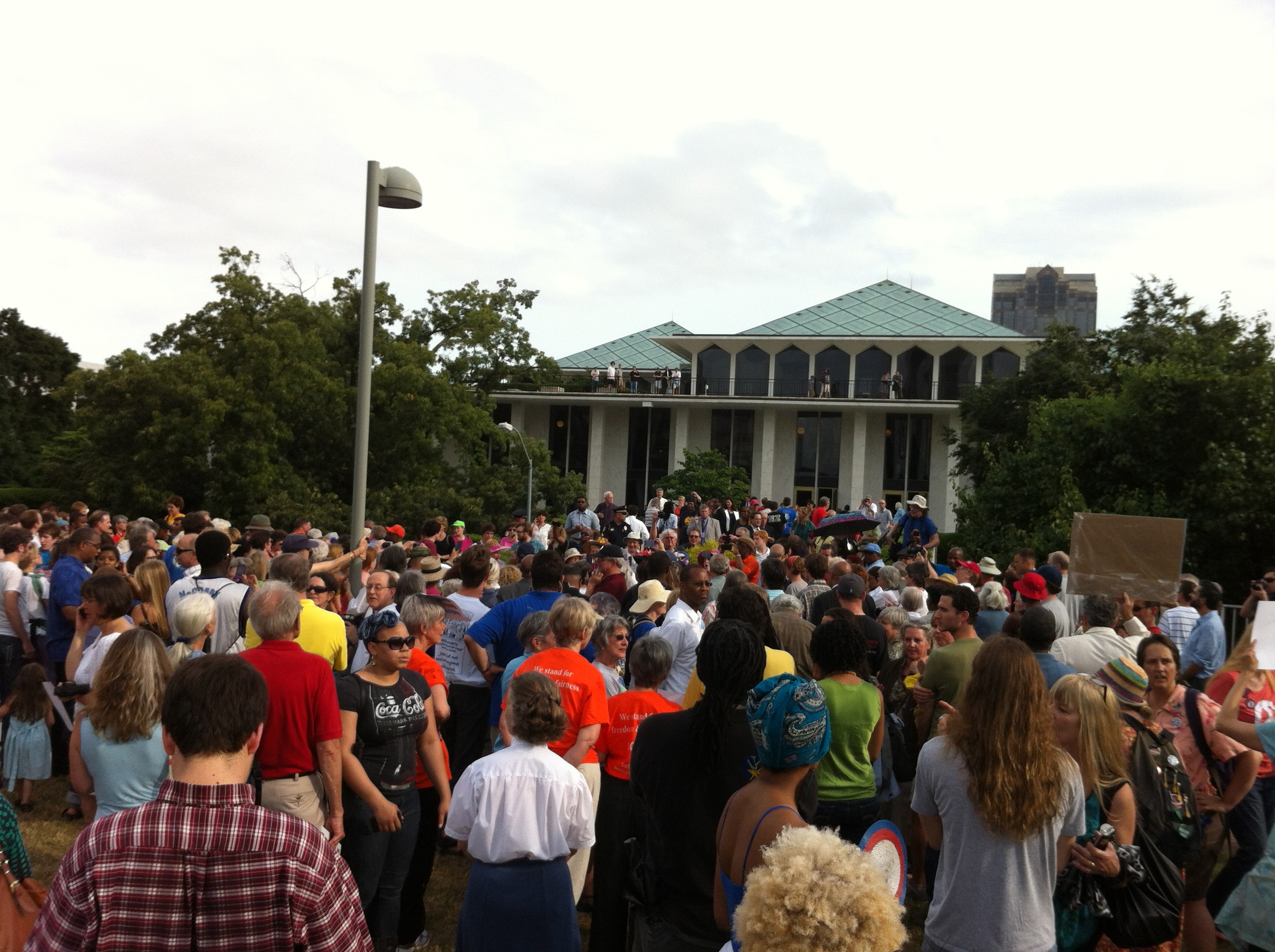
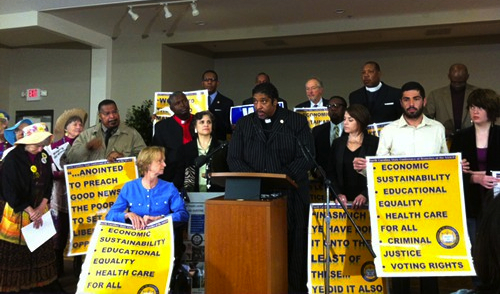
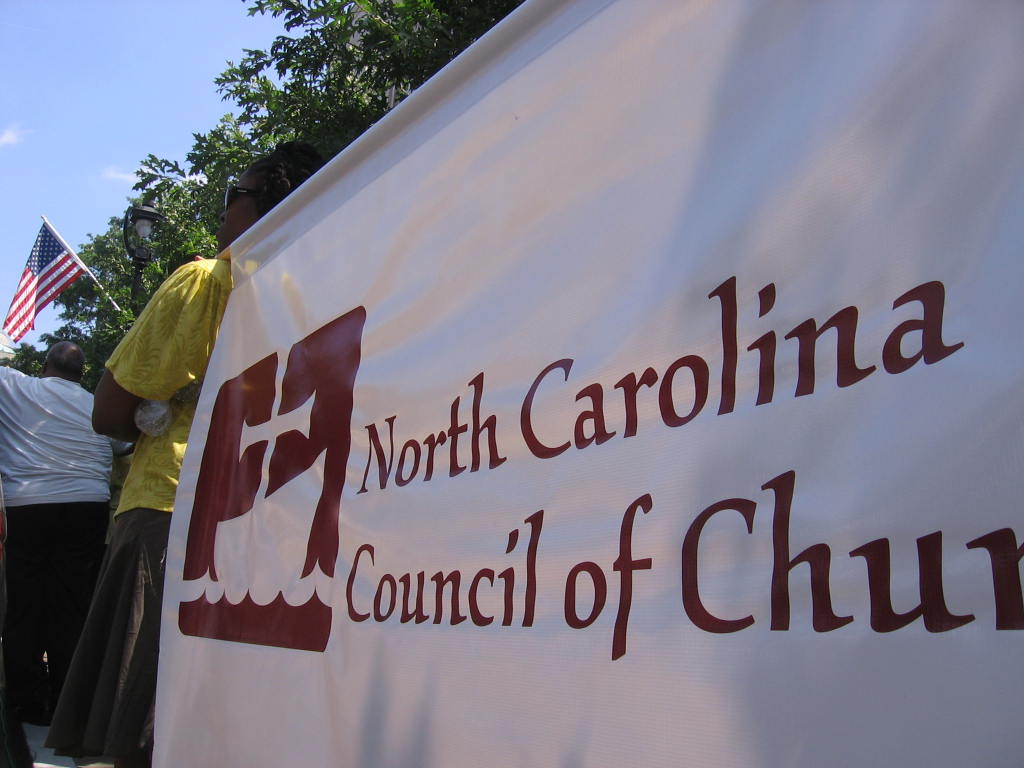
As rabbis at this week’s event told reporters, the civil disobedience was not an option of first resort – Republican legislators repeatedly blew off meeting requests from clergy who are eager to discuss the impact the North Carolina GOP’s policies have on the common good. As the movement has gained steam, some politicians have resorted to insulting Moral Mondays participants. The governor dismissed it all as an effort led by “outsiders,” and one state legislator dubbed it “Moron Mondays.” It brings to mind Gandhi’s saying, “First they ignore you, then they laugh at you, then they fight you, then you win.”
By George Reed, Former Executive Director
by George Reed, Former Executive Director
By Aleta Payne, Former Deputy Executive Director
by Aleta Payne, Former Deputy Executive Director
By George Reed, Former Executive Director
by George Reed, Former Executive Director
A brief summary of significant points in the Senate budget with additional commentary by Steve Ford.
By Aleta Payne, Former Deputy Executive Director
by Aleta Payne, Former Deputy Executive Director
By Aleta Payne, Former Deputy Executive Director
by Aleta Payne, Former Deputy Executive Director
By Steve Ford, Former Volunteer Program Associate
by Steve Ford, Former Volunteer Program Associate
For all the Christian emphasis on forgiveness and redemption, many if not most churchgoers likely are comfortable with the old maxim, “Do the crime, do the time.” Law-breaking has its […]

By Steve Ford, Former Volunteer Program Associate
by Steve Ford, Former Volunteer Program Associate
By George Reed, Former Executive Director
by George Reed, Former Executive Director
By Aleta Payne, Former Deputy Executive Director
by Aleta Payne, Former Deputy Executive Director
Faith leaders in Asheville are adding their voices to those outraged by the actions of NC legislators. Rev. Joe Hoffman, pastor of First Congregational United Church of Christ and an […]
By chris
by chris
By George Reed, Former Executive Director
by George Reed, Former Executive Director

Tune in as George Reed, our Executive Director here at the NC Council of Churches, explains the legislative process in North Carolina. How can “ordinary citizens” get involved? What strategies can we use to be as effective as possible? Listen as George crams 25 years of experience into one jam-packed hour.
By Aleta Payne, Former Deputy Executive Director
by Aleta Payne, Former Deputy Executive Director

A leader against economic injustice and two longtime advocates on the Council’s board have received the North Carolina Council of Churches’ highest honors.
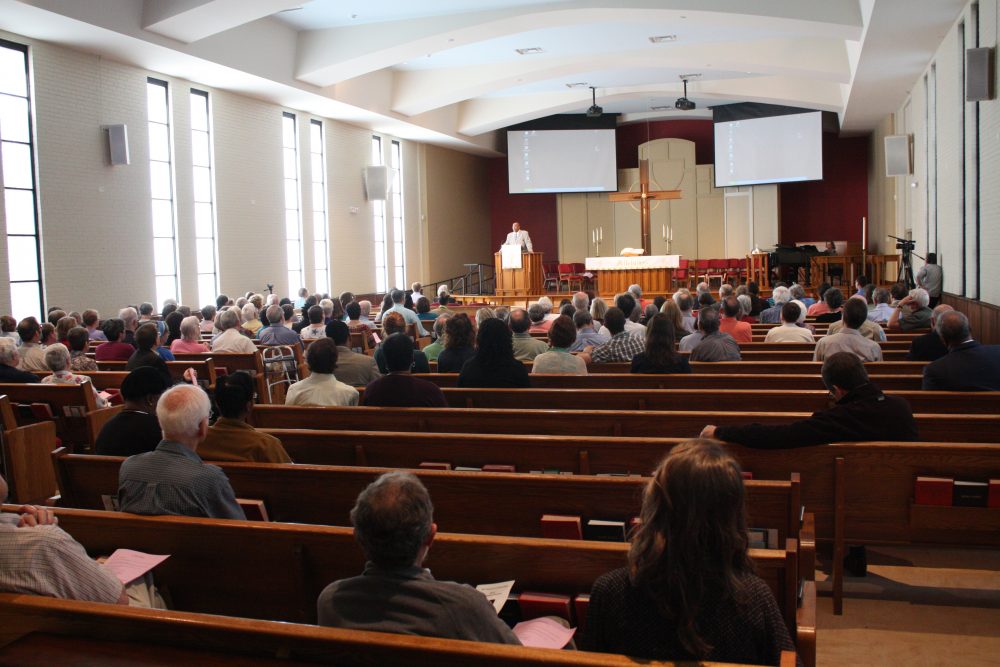
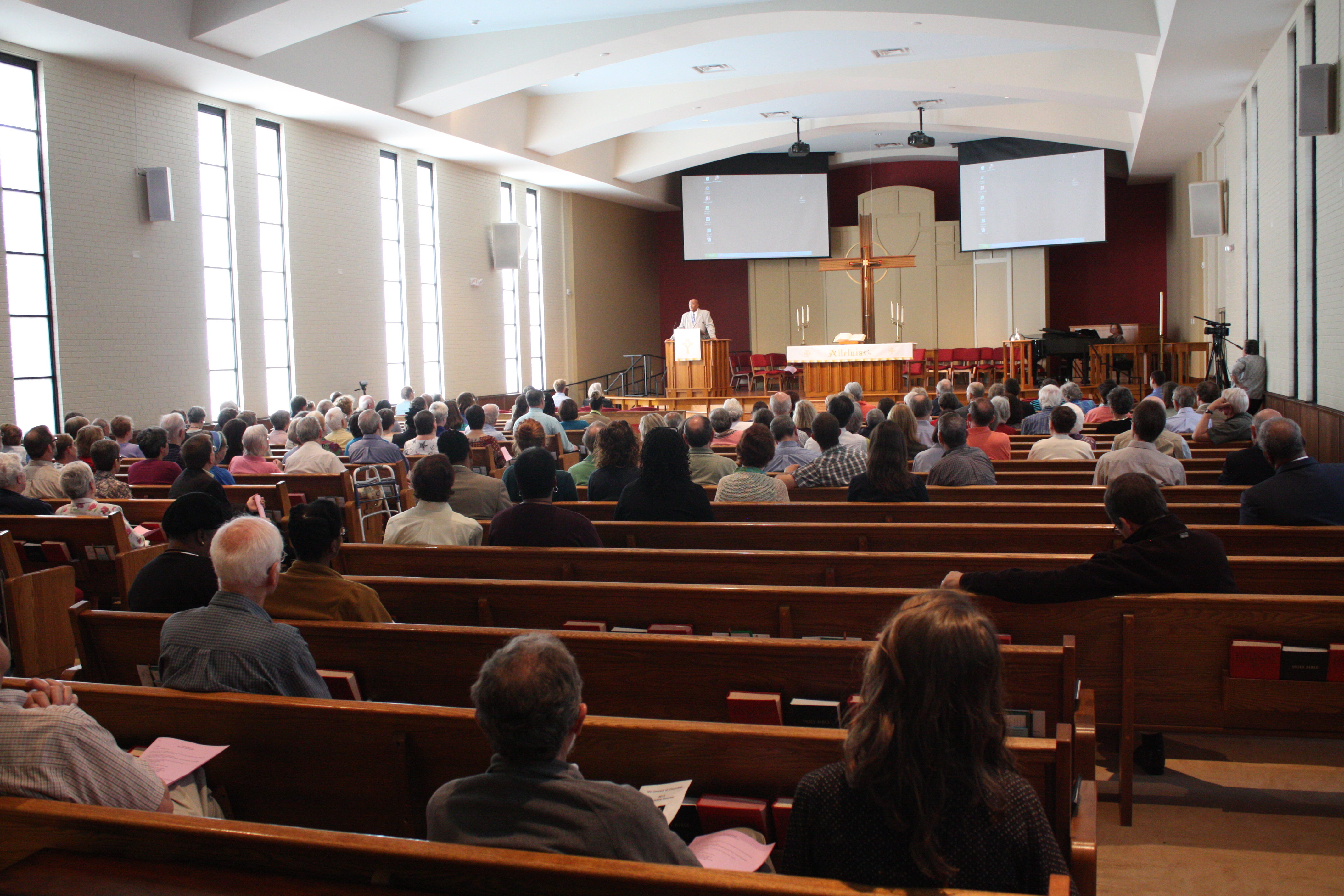
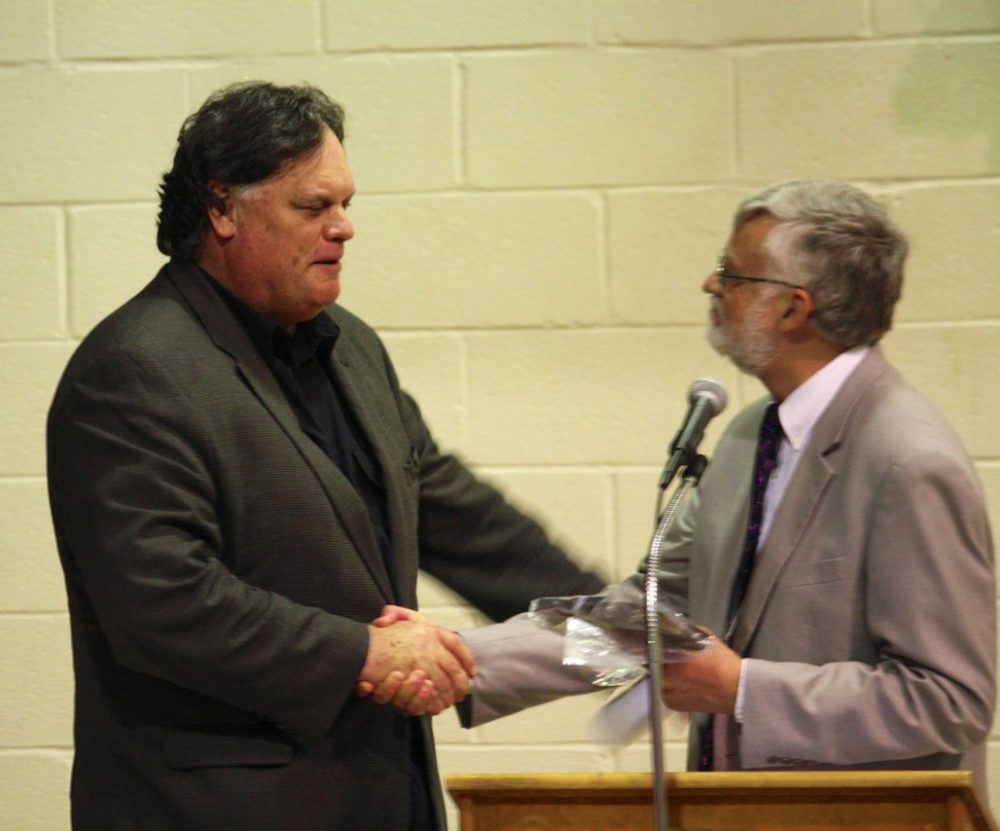
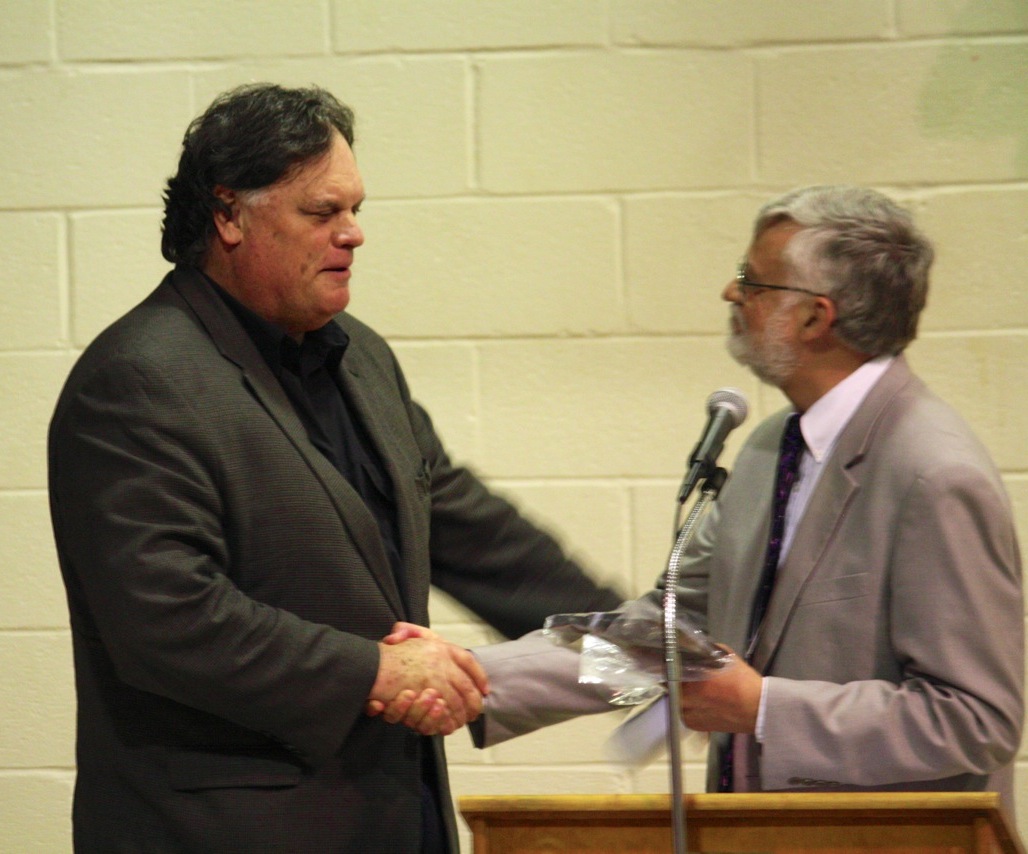
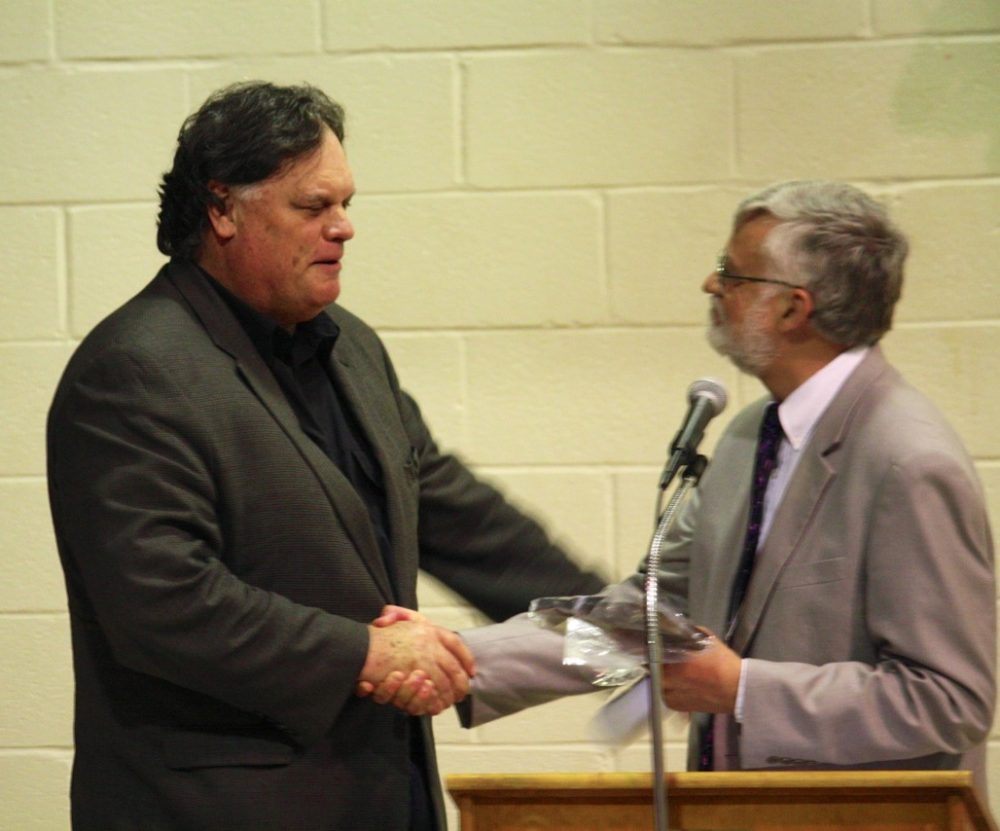
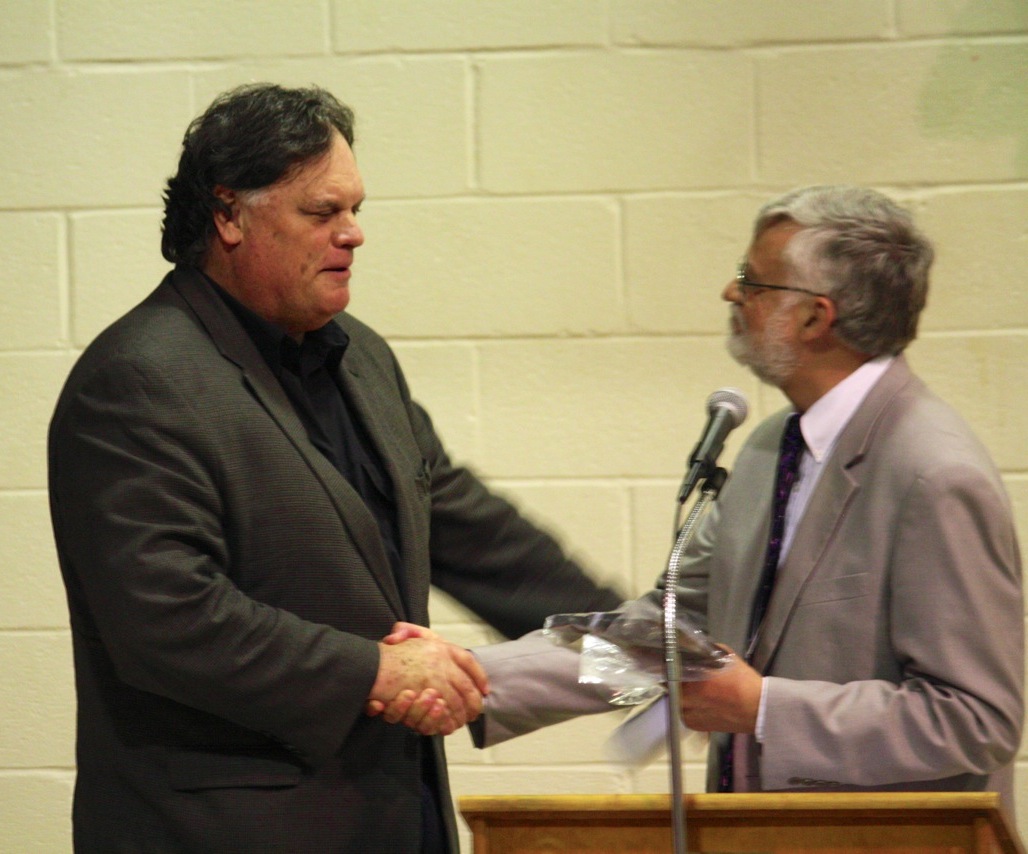
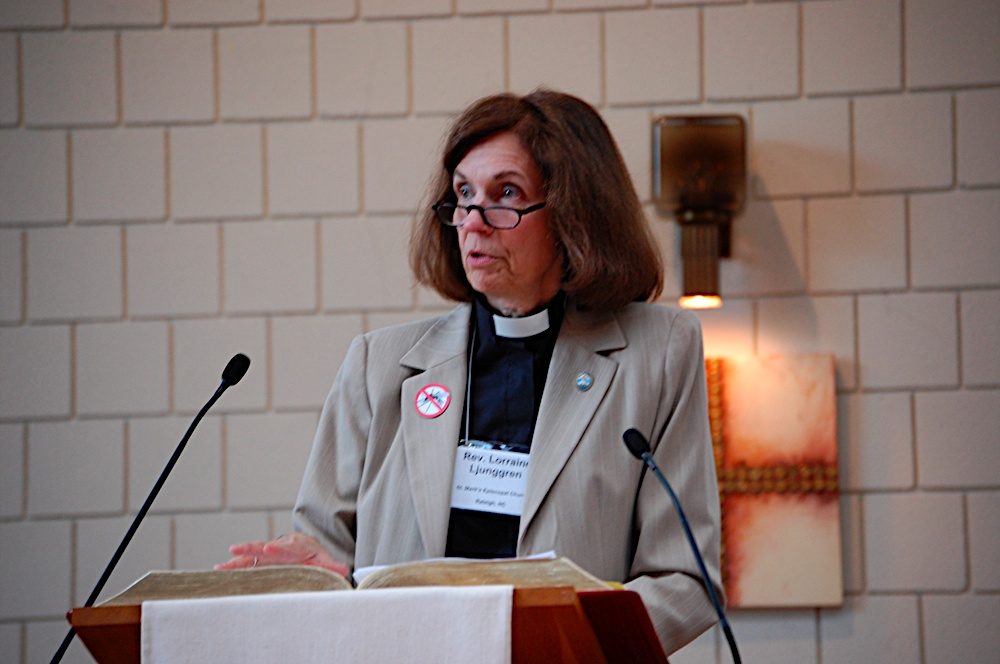
Gene Nichol received the Faith Active in Public Life Award. Barbara Volk and Sydnor Thompson II were recognized with Distinguished Service awards. All three were presented at the Council’s 2013 Legislative Seminar which took place April 11 at St. Mark’s United Methodist Church in Raleigh.
By chris
by chris
By George Reed, Former Executive Director
by George Reed, Former Executive Director
With the passage of deadlines for the introduction of most bills, there’s been a flurry of new legislation. This issue of Raleigh Report will cover some of these new bills, with others to come in the next issue.
By chris
by chris

Speaking to 200 social justice advocates, Gene Nichol delivered a powerful luncheon address at the Council’s 2013 Legislative Seminar held April 11 at St. Mark’s United Methodist Church in Raleigh. He received the Council’s Faith Active in Public Life Award at the Seminar for his “courageous, dedicated, humane and compassionate witness in the political arena.” Rev. George Reed, the Council’s Executive Director, introduced Nichol by saying in part, “To know Gene is to see the embodiment of Catholic social teaching about social justice and the common good.”
By George Reed, Former Executive Director
by George Reed, Former Executive Director
Gun bills that extend the availability and use of guns flood the General Assembly.
By Justin Hubbard, Former Duke Divinity School Intern
by Justin Hubbard, Former Duke Divinity School Intern
By Sandy Irving, Volunteer Program Associate
by Sandy Irving, Volunteer Program Associate
By George Reed, Former Executive Director
by George Reed, Former Executive Director
Attacks on Struggling North Carolinians Advance Medicaid Coverage Unemployment Insurance Earned Income Tax Credit Fracking Moratorium Gun Violence Raise the Age Refusing to Extend Medicaid Coverage SB 4, which would […]
By Aleta Payne, Former Deputy Executive Director
by Aleta Payne, Former Deputy Executive Director
If you are interested in attending, but have not pre-registered, you may call our office at 919-828-6501 on Tuesday, April 9 until 5:00 p.m. Gene Nichol, Director of the Center […]
By George Reed, Former Executive Director
by George Reed, Former Executive Director
By Sandy Irving, Volunteer Program Associate
by Sandy Irving, Volunteer Program Associate
By Justin Hubbard, Former Duke Divinity School Intern
by Justin Hubbard, Former Duke Divinity School Intern
The challenge of faith communities is not to deduct a set of moral principles from scripture that houses a model for a fair tax system. There are no formulas or bureaucratic maps that arise out of biblical texts that we might apply to our current context and tax system that will magically make the system fair. Rather, the biblical texts provide a framework to understand the Christian witness towards the common good and a Christian ethic of love and care for the vulnerable and exploited.
By George Reed, Former Executive Director
by George Reed, Former Executive Director
By Aleta Payne, Former Deputy Executive Director
by Aleta Payne, Former Deputy Executive Director

The General Assembly on Monday overrode Governor Perdue’s vetoes of three bills. By doing so they gutted the Racial Justice Act, revised the budget for 2012-13, and moved ahead with fracking. The outcome was not in doubt in the Senate. In fact, several Senate Democrats had excused absences and didn’t even show up for the votes. The drama was in the House.
By Rose Gurkin, Former Program Associate for Administration
by Rose Gurkin, Former Program Associate for Administration
By Rose Gurkin, Former Program Associate for Administration
by Rose Gurkin, Former Program Associate for Administration

The General Assembly leadership is committed to having this short session truly be short, and there’s talk of adjourning by early July. In fact, an adjournment resolution was introduced yesterday with a target date of June 19. This session, which starts in May of even-numbered years, is primarily to tweak the second year of the budget adopted the year before. In addition, certain bills which were introduced last year (mostly ones which passed in one house) can be considered. For a new bill to be introduced this year, it must fit into one of a few specific categories, with most new bills having to do with budgetary matters or coming from a study commission which met during the interim. Finally, pending veto overrides are also thought by the House and Senate leadership to be eligible for consideration.
By Aleta Payne, Former Deputy Executive Director
by Aleta Payne, Former Deputy Executive Director
The Spring 2012 Church Council Bulletin includes photographs from the Council’s recent Critical Issues Seminar, an update on items of interest in the General Assembly’s short session, a statement on the passage of Amendment One, the Council’s spring appeal, and more.
By Aleta Payne, Former Deputy Executive Director
by Aleta Payne, Former Deputy Executive Director
The General Assembly convened this past Wednesday for its regular “short session.” As always, the primary purpose of the short session is to tweak the budget for the fiscal year […]
By Aleta Payne, Former Deputy Executive Director
by Aleta Payne, Former Deputy Executive Director
Several additional legislative days have been announced. Among them are: HKonJ, People of Color Justice and Unity Legislative Day is Wednesday, May 23. The opening session will be at Raleigh’s […]
By Aleta Payne, Former Deputy Executive Director
by Aleta Payne, Former Deputy Executive Director
Governor Perdue has called on the General Assembly to restore three-quarters of a cent of sales tax which the General Assembly allowed to expire last year and to use the […]
By Aleta Payne, Former Deputy Executive Director
IndyWeek.Com
Governor Bev Perdue kicked off the 2012 budget debate today — and (unofficially) kicked off her 2012 re-electon campaign — with a call for increased school funding. Specifically, she wants 3/4ths of that temporary 1-cent sales tax for education back temporarily.By chris
by chris

While the Great Recession technically ended in mid-2009, its effects on North Carolina’s workers and families have dragged on. High unemployment and underemployment have led to increases in numerous measures of economic hardship, including hunger. More than two million North Carolinians faced food hardship in 2010.
For more than a million individuals in North Carolina facing hunger, the state’s food stamps program provided a vital lifeline. Participation in the program has surged since the start of the recession, with the equivalent of the population of Charlotte being added to the program.By Willona Stallings, Former Program Coordinator – Partners in Health & Wholeness
by Willona Stallings, Former Program Coordinator – Partners in Health & Wholeness
By Willona Stallings, Former Program Coordinator – Partners in Health & Wholeness
by Willona Stallings, Former Program Coordinator – Partners in Health & Wholeness
By Willona Stallings, Former Program Coordinator – Partners in Health & Wholeness
NC Policy Watch
It’s no wonder why our political leaders are scrambling to find solutions, even while bumping heads in the process. Both sides want what’s best for America, but the process through which we work to achieve that has become increasingly contentious and politically charged. And I can’t help but believe that our own personal experiences and beliefs, not the persuasive views of political pundits, ultimately determine on which side of an issue we fall and what we deem worth fighting for.Let me share a story.
By chris
by chris
By chris
As the “Super Committee” begins to negotiate a deal to cut $1.5 trillion from our national budget, the faith community wants to be sure that our North Carolina congressional delegation – Sens. Richard Burr and Kay Hagan as well as our 13 representatives – remember the calling of the God of all creation to provide for the common good. As the Rev. Dr. James Forbes, a native North Carolinian and senior pastor emeritus of New York’s Riverside Church reminds us, budgets are moral documents that determine who eats and who starves.
By chris
by chris

The payment of taxes is one of the ways we demonstrate we are an extended family as citizens of this state and nation. While we hardly agree on how much we should be taxed, or how our taxes should be used, there is agreement that the burden falls to all of us in some measure. But here is where my family metaphor breaks down in discussing tax policy. Whereas we would never expect a family member with few resources to pay as much of his or her money for the family’s living expenses as another family member with greater resources, our current tax system does just that. Or worse.
By Rose Gurkin, Former Program Associate for Administration
by Rose Gurkin, Former Program Associate for Administration
The General Assembly returned to Raleigh in July for what was, in reality, Round Two of its 2011 Long Session. The primary tasks were to take up overrides on bills Governor Perdue had vetoed and to adopt redistricting plans for U.S. Congressional districts and for the state House and Senate.
By Aleta Payne, Former Deputy Executive Director
by Aleta Payne, Former Deputy Executive Director
By Rose Gurkin, Former Program Associate for Administration
by Rose Gurkin, Former Program Associate for Administration
The 2011 session of the General Assembly adjourned around midday on Saturday, June 18. Legislative leaders and the media are trumpeting the efficiency of the session and the fact that this is the earliest adjournment since 1973. But that is misleading since they aren’t really finished with their work. The adjournment resolution calls them back into a special session on July 13. At that time, they will take up the thorny issue of redistricting as well as controversial bills from the just-ended session which remain in conference committees and any bills vetoed by the Governor.
By Aleta Payne, Former Deputy Executive Director
by Aleta Payne, Former Deputy Executive Director
The Senate’s version of the budget is on the move, and it has been crafted to gain the support of enough House Democrats to overturn a gubernatorial veto. (Senate Republicans […]
By Aleta Payne, Former Deputy Executive Director
by Aleta Payne, Former Deputy Executive Director
By David LaMotte, Consultant for Peace
by David LaMotte, Consultant for Peace
By Rose Gurkin, Former Program Associate for Administration
by Rose Gurkin, Former Program Associate for Administration
The focus of this issue is a handful of the most important items currently under consideration at the General Assembly. These are issues that are under challenge by the current majorities in both houses.
By Aleta Payne, Former Deputy Executive Director
by Aleta Payne, Former Deputy Executive Director
The office of Rep. Garland Pierce, who is also a Baptist pastor, sent me the following message in italics about an opportunity to come to Raleigh and express your opposition […]
By chris
by chris
By Rose Gurkin, Former Program Associate for Administration
by Rose Gurkin, Former Program Associate for Administration
Budget Edition: Last week the chairs of the House Appropriations Subcommittees started revealing their plans for the 2011-13 budget. Not surprisingly, their plans differ in significant ways from the budget proposed by Governor Perdue. The most important difference is that the House leaders will not approve the continuation of any of the emergency tax increases enacted in 2009.
By Aleta Payne, Former Deputy Executive Director
Bishop Michael Curry of the Episcopal Diocese of North Carolina recently interviewed George Reed about the current legislative session and about the Council’s upcoming Legislative Seminar. Their conversation is an […]
By Rose Gurkin, Former Program Associate for Administration
by Rose Gurkin, Former Program Associate for Administration
Governor Bev Perdue on Saturday vetoed H 2, the misnamed “Protect Health Care Freedom” bill. (It should be called the “Freedom to be Uninsured and Unable to Get Health Care” bill.) The bill was an attack on federal health care reform and purported to remove North Carolinians from the mandated purchase of health insurance, which is the basis of federal reform which will move millions of uninsured Americans into the ranks of the insured.
by chris
Loading…
By chris
by chris
By chris
by chris
By George Reed, Former Executive Director
by George Reed, Former Executive Director
Bills needing immediate attention; Updates on other bills; Information on contacting legislators.
By Aleta Payne, Former Deputy Executive Director
by Aleta Payne, Former Deputy Executive Director
Protecting the Common Good Let justice roll down like waters… Amos 5:24 Additional information is now available about the Council’s Legislative Seminar taking place on April 5. You can still […]
By Aleta Payne, Former Deputy Executive Director
by Aleta Payne, Former Deputy Executive Director
By Rose Gurkin, Former Program Associate for Administration
by Rose Gurkin, Former Program Associate for Administration
The 2011 General Assembly convened Wednesday for its long session. The politics of this session will be unlike any we have ever known because Republicans are now in the majority in both the House and Senate, and the Governor – with a veto – is a Democrat. We’ve not been here before.
Also in this Raleigh Report: Photo ID to Vote, Health Care Reform, State Budget and more.By David LaMotte, Consultant for Peace
by David LaMotte, Consultant for Peace

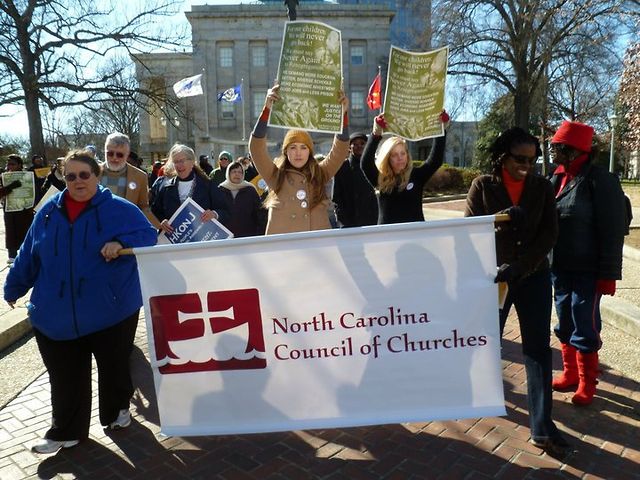
The Historic Thousands on Jones St. (HK on J) rally and march will take place on February 12 in Raleigh. A coalition of nearly a hundred social justice and community development organizations, including the North Carolina Council of Churches, have banded together to promote this event for the last several years.
By chris
by chris
By Aleta Payne, Former Deputy Executive Director
by Aleta Payne, Former Deputy Executive Director
As December begins, we make the transition from a time of thanksgiving to a season of anticipation. The Council has much to be grateful for this year. Talented and dynamic […]
By chris
by chris
Let’s get one thing straight: there is no worthwhile distinction to be made between video poker, currently banned in North Carolina with one notable exception, and the electronic “sweepstakes” game parlors sweeping the state.
By chris
by chris
Here’s a quick update on the state budget process: the Senate passed its version of the budget on May 20, eight days after the summer session convened. The House finished its version on June 4. A Conference Committee is now putting together the final budget.
By chris
by chris
The summer’s “short session” of the North Carolina General Assembly convened on May 12, a continuation of the 2009 session. Its primary task will be to adjust the 2010-11 budget adopted last year, though it can also take up bills that made it through one house last year, bills coming from study commissions, and bills amending the state Constitution.
By North Carolina Council of Churches
by North Carolina Council of Churches
In each year of budget shortfalls, efforts have been made to fix the problem solely through cuts in spending. These proposed cuts have seemed most draconian and inhumane in programs to help people with mental illness, developmental disabilities, and substance abuse problems. But they have also impacted education, environmental protection, health care, abused children, and, in fact, virtually the whole spectrum of vulnerable people assisted by the state. While advocates for these people have succeeded in protecting some services by persuading legislators to raise revenues, many of these revenue-enhancers have been regressive in nature, falling disproportionately on people of low income.
By North Carolina Council of Churches
by North Carolina Council of Churches
North Carolina faces a financial situation that is easy to summarize: Tax cuts during the last half of the ’90’s have left the state with a revenue stream inadequate to provide the services which are expected by the state’s citizens and to respond to unexpected emergencies. However, because the state’s political climate is less than hospitable towards tax increases, solutions to this situation will be more difficult to implement.
Oliver Wendell Holmes once stated that “taxes are the price we pay for a civilized society.” In order for a civilized society to thrive, taxes at all levels of government must be sufficient to meet the legitimate needs of society, especially the modern equivalents of the biblical widows and orphans.
By North Carolina Council of Churches
by North Carolina Council of Churches
Recent years have seen a proliferation of “special provisions” in the state budget. While special provisions are not new, their increased use to bypass parts of the legislative process and to weaken the voice of the people is troubling. Special provisions are items included in the state budget that go beyond the mere allocation of state money. Some special provisions are clearly relevant and appropriate in the budget (example: a requirement that certain independent groups receiving state money report back to the General Assembly on how they spend it or a requirement that part of an appropriation be spent in a specific way). Other special provisions have only minimal relationship to the budget (example: increasing the penalties for drug crimes).
By chris
by chris

The history of the North Carolina Council of Churches is the story of persons, religious leaders struggling to respond in faith to the signs of their times. Sometimes the signs could be clearly read; at other times they had to be discerned through a glass darkly. The records show that the leaders would prefer to be measured in terms of the fullheartedness of their responses rather than the accuracy of their discernment, in terms of their deeds rather than their words. This document outlines the first fifty years of the Council’s work in North Carolina.
NC Council of Churches
27 Horne St.
Raleigh, NC 27607
(919) 828-6501
info@ncchurches.org